
PAYF 2026 Highlights Africa’s Digital Skills Gap and the Need for AI Literacy and Digital Inclusion
PAYF 2026 Highlights Africa’s Digital Skills Gap and the Need for AI Literacy and Digital Inclusion
Addis Ababa, Ethiopia | 16 November 2026
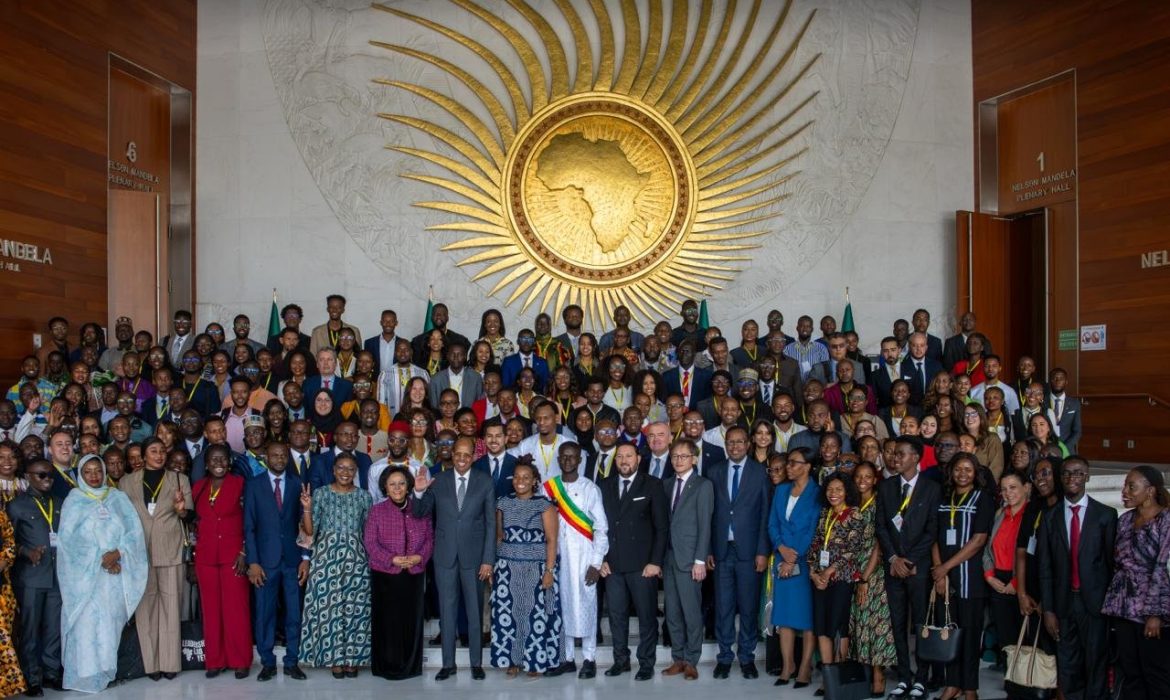
The 9th Pan-African Youth Forum (PAYF 2026) opened on Monday at the African Union Headquarters in Addis Ababa, with African leaders, policymakers, development partners and young people discussing the future of youth development across the continent.
Taking place from 16–19 November under the theme “AYC@20: Reflecting, Reimagining, and Repositioning the African Youth Charter for the Next Generation of African Youth,” the forum marks 20 years since the adoption of the African Youth Charter.
Among the issues highlighted during the opening-day discussions were Africa’s digital skills gap, artificial intelligence (AI), digital inclusion and preparing young Africans for the changing world of work.
Understanding the African Youth Charter
The African Youth Charter, adopted on 2 July 2006 in Banjul, The Gambia, is a legally binding continental framework promoting the rights, responsibilities and development of young Africans aged 15–35.
It provides guidance on education, employment, skills development, healthcare, youth participation, gender equality and other development priorities.
Twenty years later, the African Union is examining the Charter’s implementation and how it can better respond to emerging challenges, including AI, digital rights, climate change and changing labour markets.
AU Chairperson Calls for Investment in Digital Skills and AI
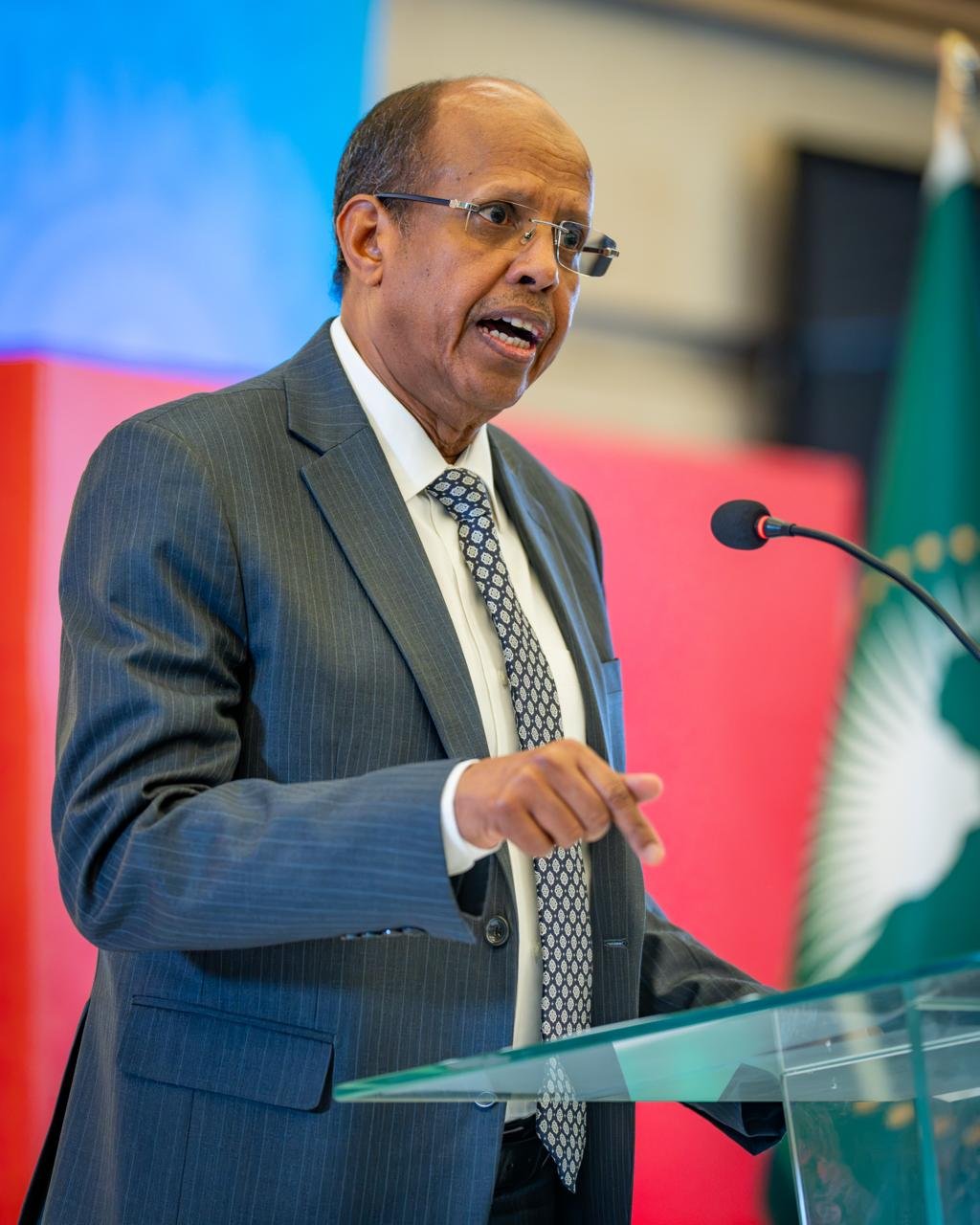
African Union Commission Chairperson H.E. Mahmoud Ali Youssouf
During his address, African Union Commission Chairperson H.E. Mahmoud Ali Youssouf acknowledged progress in education, digital connectivity and entrepreneurship while highlighting persistent unemployment, inadequate skills development and unequal access to opportunities.
He called on African governments to invest in digital infrastructure and artificial intelligence while addressing digital exclusion and online harm.
The Chairperson also emphasised the importance of preparing young people for future employment and strengthening their participation in decision-making.
“Your place is on this continent, and your role is at the heart of Africa’s transformation,” he told young Africans.
His remarks reinforced the importance of equipping Africa’s youth with relevant skills to participate in the continent’s digital and economic transformation.
Why Digital Inclusion and AI Literacy Matter
Digital transformation was also identified as an emerging priority in the discussions on future-proofing the Charter.
An issues paper presented during the forum examined implementation gaps and proposed greater attention to digital transformation, AI governance, digital rights and future-ready skills.
However, digital inclusion requires more than expanding internet connectivity.
Young Africans also need affordable devices, practical digital skills, AI literacy and opportunities to apply technology in education, employment and entrepreneurship.
AI literacy is particularly important as AI tools increasingly influence how people access information, learn, create content and perform professional tasks. Young people need the ability to use these technologies effectively, critically and responsibly.
Ensuring that rural communities, young women and other underserved groups can access digital learning opportunities is equally important.
Repositioning the Charter for Africa’s Digital Future
As discussions continue, the African Union’s PAYF 2026 agenda identifies AI, future-proof skills and closing digital divides among the priorities shaping youth development through 2036.
The forum is expected to produce recommendations on the Charter’s future and commitments for implementation and accountability.
The challenge for African governments and development partners is translating these discussions into accessible training, investment in digital infrastructure and measurable improvements in digital inclusion.
Strengthening digital skills and AI literacy will be essential to ensuring that young Africans can participate meaningfully in the continent’s evolving digital economy.

